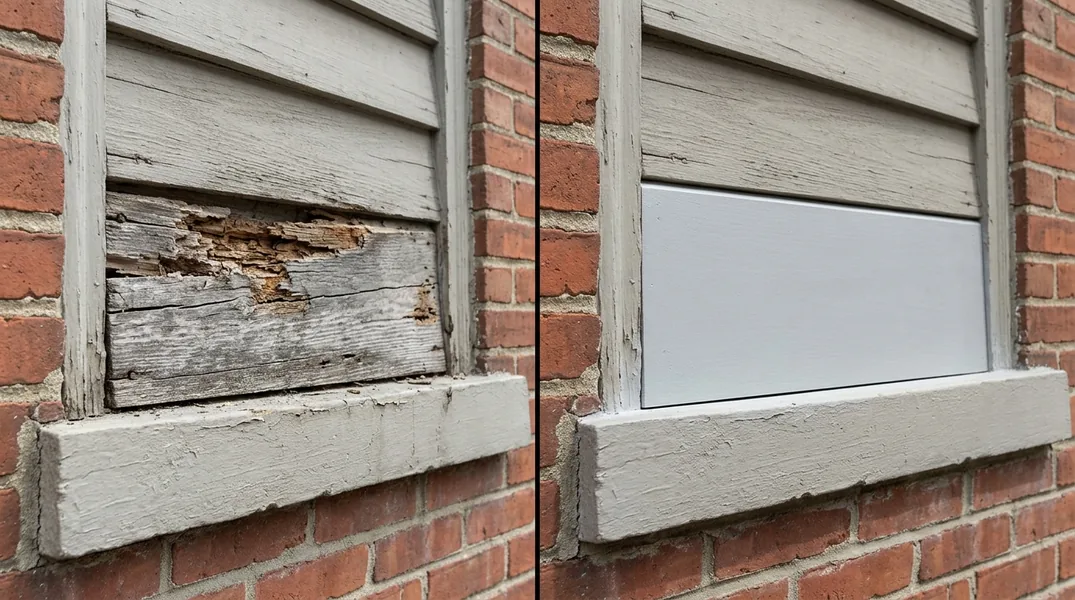
The Hidden Value of Original Wood Windows in Cincinnati Homes
Original wood windows are one of the defining features of many Cincinnati homes, especially those built in the early-to-mid 20th century. These windows aren't just functional; they're architectural assets that contribute to a home's character, charm, and often its resale value. The craftsmanship, proportions, and materials used in vintage windows are difficult, if not impossible, to replicate with modern replacements.
However, the same qualities that make original windows desirable also make them vulnerable to damage over time. Wood is a natural material that expands, contracts, and eventually deteriorates when exposed to moisture, temperature swings, and the elements. For homeowners in Cincinnati, where humidity and seasonal weather changes are part of life, window sill rot is one of the most common problems affecting older homes. The good news is that this damage doesn't always require you to rip out and replace your entire window system. Strategic Wood Rot & Dry Rot Repair can restore function and beauty while keeping the original character intact.
Understanding Window Sill Rot: Why It Happens and What It Means
Window sills are the horizontal ledges at the bottom of a window frame, and they're ground zero for moisture damage in older homes. Because sills are constantly exposed to rain, condensation, and snow melt, they absorb water more readily than any other part of the window assembly. Over decades, this repeated wetting and drying cycle breaks down the wood fibers, allowing rot to set in. You might notice soft spots, discoloration, peeling paint, or gaps where the sill has begun to separate from the frame.
The reason window sill rot is so common in homes across Cincinnati and the surrounding areas like Blue Ash and Montgomery is that many older homes were built before modern weatherproofing standards existed. Original windows often lack the tight seals and drainage systems that new windows have. Add in decades of settling, paint failure, and natural wood movement, and rot becomes almost inevitable. The key is catching it early and addressing it before the damage spreads to the frame, jambs, and structural elements around the window opening.
Window Sill Repair vs. Full Replacement: Why Repair Often Wins
When homeowners discover window sill rot, their first instinct is often to replace the entire window. It seems like the safest, most modern solution. However, this approach comes with significant drawbacks. Full window replacement is expensive, disruptive, and destroys the original character that makes your home special. You'll lose authentic details like the original glass (which often has subtle imperfections that add to the charm), the original frame profile, and the historical integrity of your home. If you're planning to stay in your home long-term or care about its architectural authenticity, replacement should be a last resort.
Strategic window sill repair, on the other hand, addresses the actual problem without unnecessary destruction. A skilled carpenter can remove the damaged wood, treat any underlying moisture issues, install new sill material that matches the original in appearance and performance, and seal everything properly to prevent future rot. This approach preserves 95% of your original window while fixing the specific area that's failing. The repair is typically completed in a day or two, costs a fraction of replacement, and your window looks and functions like it did decades ago. For homeowners who value their home's heritage and want a practical solution, Wood Rot & Dry Rot Repair focused on the sill is the smarter choice.
The Window Sill Repair Process: What to Expect
Understanding what's involved in a professional window sill repair helps you appreciate why this approach works so well. The process begins with a thorough inspection to determine how deep the rot extends. Is it just surface damage on the sill itself, or has it penetrated into the frame and jambs? A good carpenter will probe the wood carefully to find the extent of deterioration. Once the scope is clear, the damaged wood is carefully removed, taking care not to disturb the glass, original frame components, or surrounding structure.
After removal, the exposed wood is treated to eliminate any remaining moisture and fungal spores. The new sill material is then cut and fitted to match the original profile as closely as possible. Many carpenters use high-quality pressure-treated wood or even more rot-resistant species like white oak or cedar for the repair, ensuring that your fix will outlast the original sill. The new sill is secured with proper fasteners, sealed with quality caulk and finish, and painted or stained to match. The result is a window that looks original, functions perfectly, and is protected against future rot. This meticulous approach is what sets professional Wood Rot & Dry Rot Repair apart from quick fixes or DIY attempts.
Cost Considerations: Window Sill Repair vs. Replacement
When it comes to budget, the financial advantage of sill repair is substantial. A typical window sill repair for a single window in Cincinnati ranges from $300 to $800, depending on the extent of damage and the complexity of the work. Compare that to the cost of replacing a single original window, which can easily run $1,500 to $3,500 or more when you factor in labor, disposal, and any structural adjustments needed around the opening. If you have multiple windows with sill rot (common in older homes), the savings multiply quickly. Repairing five windows might cost $2,000 to $4,000, while replacing those same five windows could exceed $10,000.
Beyond the direct cost, consider the hidden expenses of replacement: potential disruption to your home's insulation, the need to refinish interior trim or exterior siding around the new window, and the loss of value that comes with replacing original architectural elements. For a homeowner looking to manage pricing carefully while maintaining their home's integrity, repair is almost always the better financial decision. If you'd like a specific estimate for your windows, Cincinnati Carpentry offers a free estimate so you can see exactly what the repair work will cost for your situation.
Preventing Future Window Sill Rot: Maintenance Tips for Cincinnati Homeowners
Once your window sills have been repaired, protecting them from future damage is essential. The most important step is keeping water away from the wood. This means ensuring that gutters and downspouts are clean and functioning properly, so rain is directed away from your home's exterior. Check the caulking around your windows at least once a year. Over time, caulk shrinks, cracks, and fails, allowing water to seep behind the sill. Resealing gaps with quality exterior caulk is a simple, inexpensive preventive measure that can add years to your repair.
Paint and stain also play a protective role. Original windows in older homes were painted regularly as part of routine maintenance, and that practice served a purpose: the paint sealed the wood and kept moisture out. If your windows are showing bare wood or peeling paint, plan to repaint them every 5 to 7 years. For windows that are stained rather than painted, apply a quality exterior stain or sealer on a similar schedule. Finally, keep an eye on the interior of your windows during humid months. Excessive condensation can indicate poor ventilation or a failing window seal, both of which can contribute to rot over time. Good interior ventilation and occasional wiping of condensation can help prevent moisture from accumulating. With these simple steps, your repaired sills should stay healthy for decades to come.
Looking for a professional carpentry contractor in Cincinnati? Cincinnati Carpentry responds fast for all your carpentry needs.
Get a Free QuoteOur services: Wood Rot & Dry Rot Repair · Termite Damage Repair · Floor Joist & Subfloor Repair