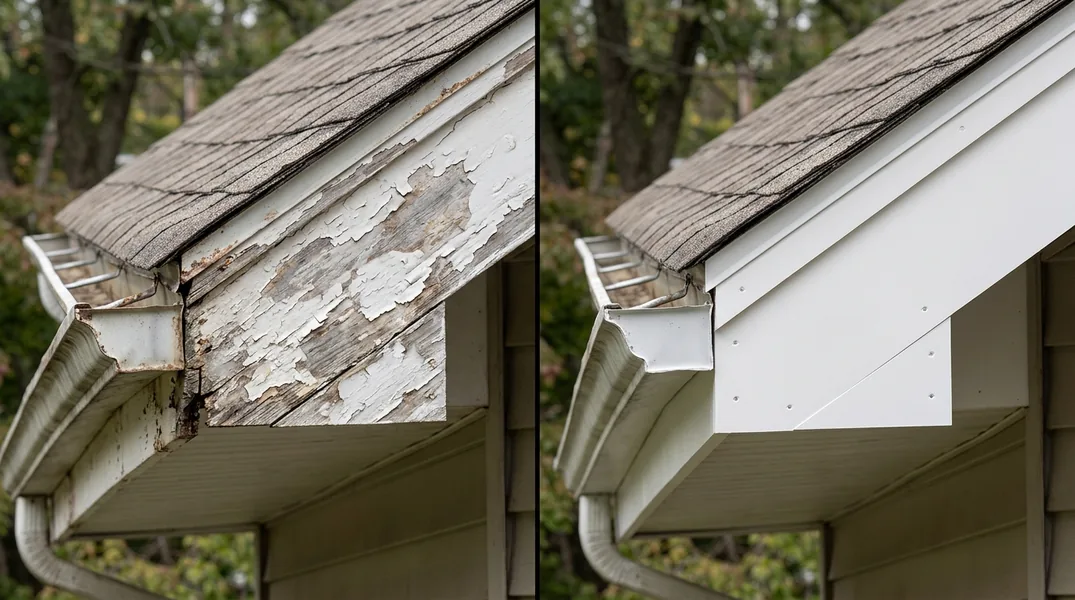
Why Cincinnati Rowhouses and Foursquares Face Unique Wood Challenges
If you own a rowhouse or foursquare in Cincinnati, you're stewarding a piece of architectural history. These homes, built primarily between 1880 and 1930, are beloved for their solid construction, character details, and neighborhood charm. But they also come with maintenance realities that modern homes don't face.
The age of these structures means the wood framing, siding, and trim have been exposed to over a century of Ohio weather. Cincinnati's humid summers, freeze-thaw cycles, and occasional heavy rains create ideal conditions for wood deterioration. Rowhouses, which share walls with neighbors, can trap moisture in ways that detached homes don't. Foursquares, with their distinctive four-square footprint and often-complex rooflines, present multiple areas where water can penetrate and linger. Understanding these vulnerabilities is the first step toward protecting your investment.
The Real Difference Between Wood Rot and Dry Rot
Many homeowners use these terms interchangeably, but understanding the difference matters for repair and prevention. Wood rot, often called wet rot, occurs when moisture activates wood-destroying fungi. The wood becomes soft, darkens, and loses structural integrity. You'll typically see it in areas that stay damp: around windows, under gutters, in basements, and where water pools against the foundation. The good news is that wood rot develops slowly, and you usually have time to address it before catastrophic failure.
Dry rot is actually more serious and less common in Cincinnati homes, though it does occur. Despite its name, dry rot still requires moisture to start, but it spreads through wood that appears dry. It can travel through masonry and hidden spaces, making early detection critical. Both types require professional Wood Rot & Dry Rot Repair to ensure the damage is fully addressed and won't return. Ignoring either type can compromise the structural safety of your home, leading to far more expensive repairs down the line.
Wood Siding Repair: The First Line of Defense
Your home's exterior siding is the barrier between your historic wood frame and the elements. Rowhouses often feature brick facades, but foursquares commonly have wood siding, sometimes with ornamental shingles or trim. When this siding fails, moisture penetrates the wall cavity, attacking the framing underneath. Many homeowners don't realize that a small crack in siding or missing caulk can lead to rot problems that take years to become visible inside the home.
Regular inspection of wood siding should happen at least twice a year, especially in spring and fall. Look for soft spots, paint bubbling or peeling, gaps where boards meet, and any separation from the underlying structure. Small repairs now prevent large repairs later. Repainting or re-staining siding every 5 to 7 years maintains the protective barrier. If you discover damaged boards, they should be replaced promptly, not just caulked over. Proper Wood Rot & Dry Rot Repair includes addressing the underlying cause and replacing compromised siding so the problem doesn't return.
Gutters, Downspouts, and the Hidden Damage They Prevent
One of the most overlooked maintenance tasks in historic home care is gutter management. Clogged gutters cause water to overflow and run down the exterior walls, pooling at the foundation and soaking into siding and trim. In Cincinnati, where fall leaves accumulate quickly, gutters can become blocked within weeks. This standing water is a direct invitation for wood rot to develop.
Downspouts should extend at least 4 to 6 feet away from the foundation, directing water away from the home's base. If your downspouts drain directly beside the house or into a low spot, water will accumulate and wick into the wood framing and basement. Inspect gutters monthly during fall and spring, and after heavy storms. For foursquares with complex rooflines and multiple gutter runs, this task becomes even more critical. Investing in gutter guards or hiring a professional to clean gutters twice yearly is far cheaper than dealing with rot repairs later.
When to Call a Professional: Wood Rot & Dry Rot Repair Near Me
Some maintenance tasks are DIY friendly, but Wood Rot & Dry Rot Repair is not one of them. If you press a screwdriver into suspected rot and it sinks in easily, or if you see soft, darkened wood, the damage has already advanced. Attempting to patch rot without addressing moisture sources and removing all affected wood leads to recurring problems and wasted money.
Professional carpenters have the tools and expertise to assess how deep the damage goes, identify the moisture source, remove all compromised wood, and install proper replacements with appropriate flashing and sealing. They can also spot potential issues you'd miss, like rot starting in hidden cavities or structural damage affecting load-bearing members. If rot has affected Floor Joist & Subfloor Repair or structural beams, the work becomes more complex and requires professional evaluation. Cincinnati Carpentry serves homeowners throughout the region and can provide a free estimate to assess your specific situation. Call (513) 822-4039 to schedule an inspection.
Historic Home Maintenance Cincinnati: A Practical Annual Checklist
Protecting your rowhouse or foursquare doesn't require constant vigilance, but it does require consistency. Create a simple annual maintenance schedule that addresses the most vulnerable areas. In spring, inspect the roof for missing or damaged shingles, check all exterior caulking and sealant around windows and doors, and examine siding for damage. Clean gutters and ensure downspouts are clear and positioned correctly. Check basement walls for signs of water intrusion or efflorescence, which indicates moisture problems.
In fall, repeat the gutter cleaning, inspect the foundation for new cracks, and check that all exterior wood trim is properly sealed. Look at areas where different materials meet, like where brick meets wood trim, as these transitions are moisture collection points. Test caulk and weatherstripping around windows and doors, and plan any painting or staining work for the next season. If you discover any soft wood, staining, or signs of pest damage like Termite Damage Repair needs, address these promptly. This proactive approach, combined with professional help when needed, keeps your historic home sound for decades to come.
Looking for a professional carpentry contractor in Cincinnati? Cincinnati Carpentry responds fast for all your carpentry needs.
Get a Free QuoteOur services: Wood Rot & Dry Rot Repair · Termite Damage Repair · Floor Joist & Subfloor Repair