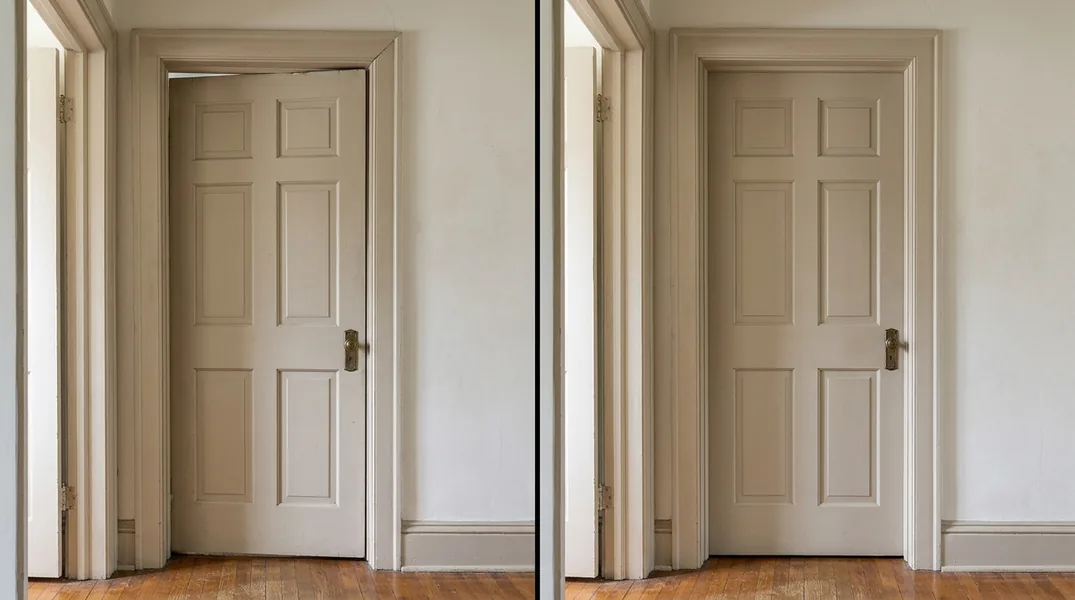
Understanding Wood Rot: The First Step to Decision-Making
Wood rot is one of the most common structural issues homeowners face, yet it remains one of the most misunderstood. When moisture penetrates wood and creates the right environment for fungal growth, the wood begins to deteriorate from the inside out. The question most homeowners ask is simple: can I repair this, or does it need to be replaced entirely?
The answer depends on several factors, including the extent of the damage, the location of the affected wood, and whether the damage threatens your home's structural integrity. In Cincinnati, where humidity levels fluctuate with the seasons and moisture problems are common, understanding the difference between repairable and irreparable wood rot can save you thousands of dollars and protect your home's foundation.
Before making any decisions, you need to accurately assess what you're dealing with. Dry rot, wet rot, and termite damage all look similar to the untrained eye, but they require different treatment approaches. This is why getting a professional inspection is the first smart move any homeowner should make.
Can You Repair Rotted Wood Without Replacing It?
The short answer is yes, in many cases you can repair rotted wood without full replacement. However, this depends entirely on the severity and depth of the damage. Surface-level rot that has not compromised the structural integrity of the wood can often be treated with specialized epoxy fillers, wood hardeners, and protective coatings. These methods work best when the rot is caught early and hasn't penetrated more than a quarter-inch into the wood.
When you choose to repair rather than replace, the process typically involves removing the affected wood, treating the area with a wood preservative, filling the void with epoxy or wood filler, and then sealing the repair with paint or stain. This approach is cost-effective and preserves the original character of your home, especially if you have historic trim, siding, or decorative elements. Many homeowners in Blue Ash and the greater Cincinnati area prefer this method when possible because it maintains the aesthetic of their property.
However, repair is only viable if the wood still has structural strength. A simple test involves pressing a screwdriver into the affected area. If it sinks in easily or if the wood crumbles, the damage has likely progressed too far for simple repair. In these situations, replacement becomes the only safe and practical option. This is where professional assessment becomes invaluable, as contractors can determine the true extent of damage beneath the surface.
When Full Replacement is the Only Safe Option
Some situations demand complete replacement of rotted wood sections, and ignoring these warning signs can lead to catastrophic structural failure. If the rot has penetrated deeply into load-bearing elements like joists, beams, or siding that supports significant weight, replacement is non-negotiable. Attempting to patch severely rotted structural wood is like putting a band-aid on a broken bone. It might look fine temporarily, but the underlying problem worsens, and you're putting your family at risk.
Additionally, if the wood has lost more than 30 percent of its cross-sectional area to rot, replacement is the standard recommendation among structural engineers and building codes. When rot affects Floor Joist & Subfloor Repair areas or critical framing, the stakes are too high to gamble with repairs. The cost of replacing a section of rotted siding or flooring is far less than the cost of repairing a collapsed floor or a structural failure that requires emergency stabilization.
Termite damage presents another scenario where replacement is often necessary. While some Termite Damage Repair situations can be managed, extensive termite galleries throughout the wood leave it too compromised to safely repair. The insects tunnel through the wood in ways that weaken it unpredictably, and surface-level treatment won't restore structural integrity.
Wood Rot & Dry Rot Repair Cost in Cincinnati: What to Budget
Understanding pricing for wood rot repairs helps you make informed decisions and avoid sticker shock. The cost of addressing rotted wood varies dramatically based on the scope of work, materials needed, and whether repair or replacement is necessary. A small repair using epoxy filler and sealant might cost between $150 and $500, while replacing a section of siding or trim could range from $800 to $2,500 depending on the size and material.
Structural repairs are considerably more expensive. If you need Beam Replacement & Load-Bearing Wall Removal or extensive joist replacement, you could be looking at $3,000 to $10,000 or more. The good news is that addressing rot early prevents these escalating costs. A small area of rot caught and repaired promptly might cost a few hundred dollars, while the same area left untreated for years could require thousands in structural repairs.
Labor costs in the Cincinnati area typically range from $50 to $85 per hour for skilled carpenters, and most projects take anywhere from a few hours for small repairs to several days for larger replacement work. The best way to understand what you'll actually spend is to get a free estimate from a local contractor who can assess your specific situation. Cincinnati Carpentry offers detailed inspections and transparent quotes so you know exactly what you're paying for before work begins.
The Hidden Costs of Delaying Wood Rot Repair
Many homeowners delay addressing wood rot because they're hoping the problem will stabilize on its own or that they can afford the repair later. Unfortunately, wood rot doesn't work that way. It's a progressive problem that spreads and deepens over time, especially in humid climates like Cincinnati where moisture is abundant. What starts as a small soft spot in siding can become widespread structural damage within just two or three years if left untreated.
Beyond the financial impact, delayed repairs create safety hazards. Rotted flooring can collapse without warning. Rotted roof structures can fail during storms. Rotted siding compromises your home's weather barrier, allowing water to penetrate into walls and insulation, creating mold growth and further damage. The cascading effect of one unaddressed rot problem can damage multiple systems in your home, multiplying repair costs exponentially.
If you're noticing soft spots, discoloration, or a musty smell in any part of your home, don't wait. Contact Cincinnati Carpentry at (513) 822-4039 to schedule an inspection. Early intervention is always the most cost-effective and safest approach to managing wood rot.
How to Choose Between Repair and Replacement: A Homeowner's Checklist
Making the repair-versus-replace decision doesn't have to be overwhelming if you approach it systematically. Start by determining the extent of visible damage. If you can see rot in only one small area and the wood still feels firm when you press on it, repair is likely viable. If the damage is widespread, deep, or affects structural elements, replacement is the safer choice. Location matters too: rot in decorative trim is easier to repair than rot in a beam or joist.
Consider the age and type of wood. If you have original hardwood flooring or historic siding in Montgomery or elsewhere in the Cincinnati region, preserving it through repair maintains your home's character and value. If you have standard softwood siding that's already been painted multiple times, replacement with modern materials might be more practical and durable long-term.
Finally, think about the underlying cause. If the rot was caused by a plumbing leak or roof leak, that source must be fixed first, regardless of whether you repair or replace. Addressing only the wood while ignoring the moisture source means the problem will simply return. This is why professional contractors always investigate and address root causes as part of the solution.
Looking for a professional carpentry contractor in Cincinnati? Cincinnati Carpentry responds fast for all your carpentry needs.
Get a Free QuoteOur services: Wood Rot & Dry Rot Repair · Termite Damage Repair · Floor Joist & Subfloor Repair