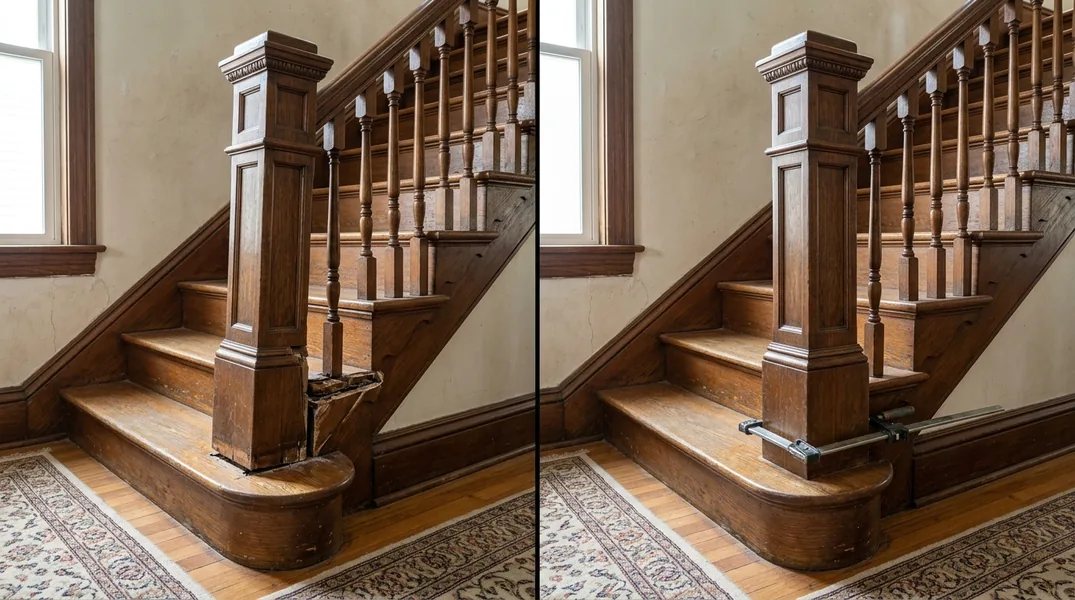
Understanding House Settling in Cincinnati's Unique Terrain
Cincinnati sits on some of Ohio's most dramatic topography, with steep hills and valleys that have shaped the city's character for centuries. Unfortunately, this beautiful terrain also creates unique structural challenges for homeowners. The soil composition beneath hillside homes, combined with Ohio's freeze-thaw cycles and seasonal moisture fluctuations, creates an environment where foundation settling is far more common than in flatter regions.
When a home settles, it rarely does so evenly. Gravity pulls the structure downward, but soil compaction, erosion, and moisture changes happen at different rates across the property. This differential settling is what causes the telltale signs you've probably noticed: a door that won't close properly, floors that slope noticeably toward one corner, or windows that no longer sit square in their frames. These aren't just cosmetic annoyances. They're signals that your home's structural integrity may be compromised, and the longer you wait, the more expensive repairs become.
Why Doors Stick and Won't Close Properly
One of the first things homeowners notice when their foundation begins to settle is that doors suddenly become difficult to open or close. This happens because the door frame shifts out of plumb (true vertical alignment) as the walls around it move. A door that was perfectly aligned when installed may now bind against the frame at the top corner, or it might swing open on its own if the floor has tilted. The problem isn't usually the door itself. It's the foundation and framing structure that has moved beneath it.
Sticking doors in a house are particularly common in Cincinnati's older neighborhoods, where homes were built on hillsides without the modern foundation reinforcement techniques we use today. If you're experiencing sticking doors, it's important not to ignore the problem. While you might be tempted to simply plane down the door or adjust the hinges, doing so is treating the symptom, not the cause. The underlying settlement will continue, and your door will likely stick again within months. A professional inspection can determine whether your settling is minor and stable, or whether it indicates deeper structural issues that require immediate attention.
Sloping Floors and What They Reveal About Your Foundation
Walk across your home's floors and notice if they feel level. Place a marble on the floor and watch where it rolls. Sloping or uneven floors are one of the most obvious signs that your home has settled unevenly. This is especially common in homes built on hillsides, where one side of the foundation may settle more than the other. The slope might be subtle, barely noticeable to the eye, or it might be dramatic enough that you feel like you're walking downhill in your own living room.
The cause of sloping floors often traces back to failing support structures beneath the floor itself. Wooden beams, joists, and sills can weaken due to Wood Rot & Dry Rot Repair issues, particularly in Cincinnati's humid climate where moisture infiltration is common. Termites, another persistent problem in Ohio, can also compromise the structural integrity of wooden support systems. Additionally, if the soil beneath your foundation has eroded or become saturated, it loses its ability to bear the home's weight evenly. An free estimate from a qualified carpenter can reveal whether your sloping floors are due to foundation settling alone, or whether wood damage and moisture issues are contributing to the problem.
How Moisture and Wood Damage Accelerate Settling Problems
Cincinnati's climate, with its humid summers and freeze-thaw winters, creates ideal conditions for moisture infiltration into homes. Water that enters through foundation cracks, poor drainage, or damaged siding doesn't just cause cosmetic damage. It weakens the wooden structural members that support your entire house. When wood becomes saturated, it loses strength, warps, and becomes vulnerable to rot and insect damage. This is particularly problematic in the basement and crawl spaces where wood is in direct contact with soil and moisture.
Wood rot develops slowly, often invisibly, until the damage is severe enough to affect how your home sits on its foundation. A wooden sill plate that has rotted away can no longer properly support the weight of the walls above it. Floor joists weakened by dry rot lose their ability to span across their intended distance without sagging. Floor Joist & Subfloor Repair is often necessary when settling has progressed to the point where structural members have failed. The good news is that addressing moisture problems, repairing damaged wood, and reinforcing your foundation can stop the settling process and prevent future damage. The longer you wait, however, the more extensive and expensive the repairs become.
When to Call a Professional for House Settling Near Me
Not all house settling requires emergency repairs. Homes naturally settle somewhat in their first few years, and minor settling that has stabilized poses no real danger. However, there are clear warning signs that indicate you need professional help. If your doors won't close properly and the problem is getting worse, if you notice new cracks in your walls or ceilings, if your floors are noticeably sloping, or if you see signs of moisture damage in your basement or crawl space, it's time to call in a professional. Cincinnati Carpentry serves the greater Cincinnati area, including communities like Blue Ash and Montgomery, with specialized expertise in diagnosing and repairing foundation and structural issues.
A professional inspection involves more than just looking at your floors and doors. A qualified carpenter will evaluate your foundation for cracks and movement, inspect wooden structural members for rot and insect damage, assess your drainage and moisture situation, and determine whether your settling is ongoing or stable. Based on this evaluation, they can recommend appropriate repairs, which might range from simple moisture control improvements to major structural work like Beam Replacement & Load-Bearing Wall Removal. Don't wait until your home's problems become critical. Contact Cincinnati Carpentry at (513) 822-4039 to schedule your inspection today.
Wood Rot & Dry Rot Repair Cost in Cincinnati: What to Budget
The cost of addressing house settling and related structural issues varies widely depending on the severity of the problem and the extent of repairs needed. A simple moisture control improvement or minor wood repair might cost a few hundred dollars, while major foundation work or extensive structural replacement can run into the tens of thousands. The key is that addressing problems early is almost always more affordable than waiting until they become severe. A small area of wood rot that costs $500 to repair today could become a $5,000 problem if it spreads unchecked for a few years.
When evaluating pricing for structural repairs, remember that you're investing in your home's safety and value. A home with settling problems that have been properly diagnosed and repaired is far more attractive to future buyers than one with unaddressed structural issues. Cincinnati Carpentry provides transparent estimates that break down exactly what work is needed and why. Rather than guessing about costs, contact us for a free estimate on your specific situation. We'll inspect your home, identify the root causes of your settling problems, and provide you with a clear picture of what repairs will cost and how they'll solve your issues.
Looking for a professional carpentry contractor in Cincinnati? Cincinnati Carpentry responds fast for all your carpentry needs.
Get a Free QuoteOur services: Wood Rot & Dry Rot Repair · Termite Damage Repair · Floor Joist & Subfloor Repair